Aircrew Parachute Harness/Pack – Vulcan & Victor Crew Seats: Military Aviation Safety Equipment
Aircrew Parachute Harness/Pack – Vulcan & Victor Crew Seats: Military Aviation Safety Equipment
Blog Article
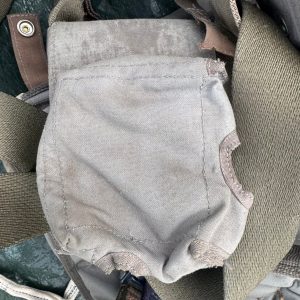
The Aircrew Parachute Harness/Pack – Vulcan & Victor Crew Seats offers collectors, restoration specialists, museums, aviation historians, and qualified equipment professionals a distinctive example of military flight safety equipment.
The Aviation Parachute Harness can offer collectible and restoration value, while the Pilot Parachute Harness should get more info never be judged serviceable from appearance alone.
Whether buyers seek an Aircraft Emergency Parachute Harness, Aircrew Safety Harness, Flight Crew Parachute Harness, Emergency Parachute Harness, or Military Aircrew Harness, exact system identity should guide evaluation.
A Parachute Harness Assembly should not be represented as complete when critical straps, fittings, packs, connectors, release components, or identification labels are missing.
The Flight Parachute Harness should remain matched with the correct parachute pack, seat arrangement, attachment hardware, and operating system.
Overview of the Military Aircrew Parachute Assembly
The offered harness and pack should be identified through visible labels, part numbers, contract markings, manufacturer information, dates, inspection stamps, and known aircraft-seat relationships.
Photographs should show the front, rear, sides, webbing, buckles, attachment points, pack, labels, stitching, hardware, and areas of wear.
Military Harness Structural Features
A complete inspection should examine both obvious wear and less visible age-related deterioration.
Qualified evaluation is essential before any safety-related classification is assigned to the Aviation Parachute Harness.
Choosing a Pilot Parachute Harness
The adjustment range should be documented when labels or original information are available.
Professional conservation can protect both the Pilot Parachute Harness and its historical significance.
Evaluating Historic Escape Equipment
Historic equipment may contain obsolete, time-expired, modified, incomplete, or unverified components.
Attachment points should be checked for deformation, wear, corrosion, cracks, missing components, incorrect hardware, and evidence of loading or repair.
Maintaining Aircrew Harness Equipment
A harness associated with one crew seat should not be assumed suitable for another position.
Historic harnesses should be stored away from direct sunlight, moisture, pests, chemicals, sharp objects, heat, and uncontrolled handling.
Evaluating a Flight Crew Parachute Harness
The condition of a Flight Crew Parachute Harness should be described using specific observations rather than broad terms such as excellent, serviceable, or ready for use.
Any known aircraft history, crew-seat association, unit provenance, or acquisition records should be presented carefully and supported when possible.
Emergency Harness Storage Review
Inspection should begin with the harness laid on a clean, dry, nonabrasive surface under strong lighting.
Leather or rubber components may harden, shrink, crack, or become brittle during storage.
Historic Military Aviation Harness Equipment
Original components with clear labels and matching hardware may be particularly desirable for accurate displays.
Conservation-focused presentation protects the Military Aircrew Harness for future study.
Understanding an Aviation Emergency Escape Harness
System-level research improves historical accuracy and buyer understanding.
Qualified historical or technical review supports accurate Aviation Emergency Escape Harness presentation.
Evaluating Assembly Completeness
The seller should avoid opening sealed or packed equipment without suitable expertise.
Organized documentation also helps future owners continue research.
Aircraft Crew Safety Equipment
One serviceable-looking component does not establish the condition of the complete crew-safety system.
Conservation should prioritize reversible methods whenever practical.
Preserving Aviation Emergency Equipment
Collectors should preserve labels, inspection records, modifications, and storage evidence.
Modern additions used for display should remain distinguishable from original components.
Pilot Emergency Parachute System
A previous inspection stamp does not establish current suitability.
Responsible handling protects the Pilot Emergency Parachute System and its provenance.
Historic Harness Display Planning
Reversible display methods protect authenticity and long-term value.
Public displays should include clear information explaining the item’s aircraft association, approximate period, purpose, condition, and nonoperational status where appropriate.
Buying Historic Aircrew Equipment
The seller should understand the buyer’s purpose before making suitability statements.
Damage, missing components, mixed assemblies, heavy corrosion, cut straps, contamination, or unsupported provenance may reduce value.
Avoiding Incorrect Harness Substitution
Visually similar fittings can have different functions, load requirements, or attachment relationships.
Any uncertain connection should remain unforced and documented.
Vulcan and Victor Harness Condition Guide
A pre-purchase review should confirm manufacturer, part numbers, dates, labels, aircraft or seat association, webbing condition, hardware, pack configuration, repairs, storage history, completeness, and documentation.
- Resolve identity, provenance, configuration, and package-completeness questions before payment.
- Inspect stitching for broken threads, loose patterns, separation, contamination, fading, and previous replacement.
- Retain purchase records, photographs, provenance documents, packaging, and condition reports with the collection or restoration file.
Historic Parachute Harness Storage
The harness and pack should be stored in a clean, dry, stable environment with moderate temperature, controlled humidity, limited light, and protection from pests.
Silica products or humidity-control materials should not contact the harness directly.
Reversible Aircrew Harness Mounting
A crew-seat display should support the pack in a way that reduces weight on aged straps, fittings, and adjustment points.
Professional presentation improves educational value without compromising authenticity.
Aircrew Harness Condition Monitoring
Aggressive cleaning can remove original markings, finishes, inspection evidence, or historically significant wear.
Repairs intended for display should remain reversible and clearly documented.
Selecting a Crew-Seat Harness and Pack
For the correct project, the harness and pack can add an important level of accuracy and visual detail to a compatible crew-seat display.
A qualified parachute professional must evaluate the equipment before any operational consideration, while a conservator or historian may be more appropriate for display-focused projects.
Whether the product is described as a Parachute Harness Assembly, Aircraft Crew Safety Equipment, Aircrew Emergency Equipment, or Pilot Emergency Parachute System, completeness and intended use should be stated clearly.
With verified provenance, careful inspection, protected storage, reversible display methods, organized documentation, and responsible conservation, the harness/pack can provide lasting historical value.
Report this page